Cash buyers only: what it means, and the houses I'd buy anyway
What cash buyers only means, why some houses can't be mortgaged, how I decide which ones to walk away from, fix or negotiate, and the cracked house I bought in cash with £4,521.90 left in after the refinance.
"Cash buyers only" on a listing puts most people off before they've even viewed it. It usually means a bank won't lend on the house as it stands, so anyone who needs a mortgage can't buy it. That's exactly why I look at them. With fewer buyers, the price drops, and it often drops by far more than it costs to put the problem right. That gap is where the profit is.
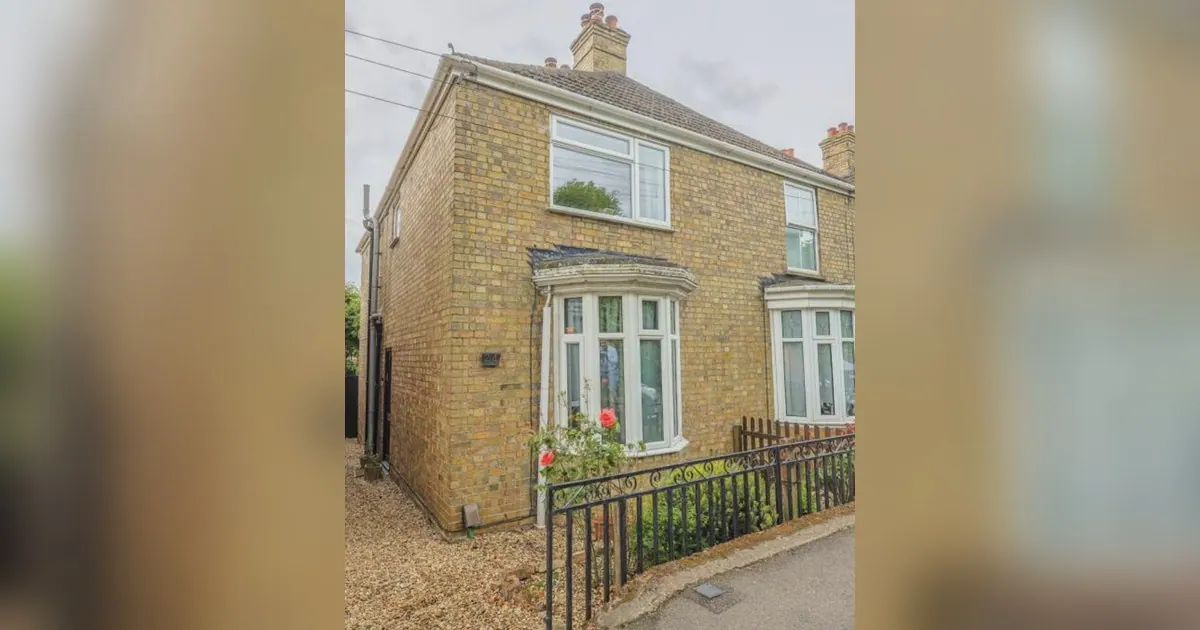
I bought a house that had cracks at the back and under the kitchen window, and a tenant living in it. The previous owner had claimed on his insurance for subsidence, and the insurer had turned him down because it wasn't subsidence. It was never advertised, but it didn't need to be. With cracks, a turned-down claim and a tenant in, it was a cash buyers only house whatever the listing would have said. I paid £120,000 in cash. Once it was fixed and done up, it valued at £185,000, and after the refinance £4,521.90 of the money was left in.
Below I'll go through what cash buyers only means, why some houses can't be mortgaged, how I decide which ones to walk away from, fix or negotiate, what I did on the one I bought, how to find your own, and how you pay for one if you haven't got the cash.
What I say about the law, lending, insurance and stamp duty is as it stood when I wrote this, in November 2026, for England. It's education, not advice, and the small print is at the end.
What does cash buyers only mean?
When a listing says cash buyers only, the vendor will only accept an offer from someone who doesn't need a mortgage to complete. It doesn't mean a suitcase of notes. Cash means money that's ready to go: your own, a bridging loan or a joint venture partner's. Money tied up in a house you haven't sold yet doesn't count. Estate agents have to run money laundering checks under HMRC's rules, so expect to show proof of funds, and where the money came from, before an offer is accepted.
There are 2 reasons a house gets marketed that way.
- The vendor wants speed and certainty. A probate sale, an auction or a vendor who's had sales fall through may want a buyer who can't be held up by a lender.
- A lender won't lend on it as it stands. The construction, the condition, a defect, the lease or the paperwork puts it outside what mainstream lenders will accept. That's what people mean by an unmortgageable property.
The first kind is easy to spot, and every cash investor in the area is after it. The second kind is where I look. So when I see cash buyers only, the first thing I ask the agent is why. If it's only about speed, a buyer with a mortgage offer ready may still get a look in. If a lender won't lend on it, a mortgage buyer won't.
Is it worth buying a cash buyers only house?
Most people who need a mortgage can't buy these houses at all, and most people who could pay cash don't know what they're looking at. So the buyers drop out, and the vendor is left with the few who can pay without a mortgage and know who to ring.
That's why the price drops. And the price of a problem house follows how scared buyers are of the problem, which is usually far more than it costs to fix.
Here's how that played out on the house I bought. It never went on the open market. I bought it direct from the owner, in cash, with the tenant still living there.
| What happened | |
|---|---|
| Bought for, in cash | £120,000 |
| All in, with stamp duty, legals, the fix and the work inside | £142,281.90 |
| Valued at after the work | £185,000 |
| Refinanced, back out after fees | £137,760 |
| Money left in | £4,521.90 |
| Rent | £850 a month |
| Mortgage, management and insurance | £696.01 a month |
| Profit | £153.99 a month |
| Return on money left in (ROCE) | 40.9% |
ROCE means return on capital employed. It's a year's profit divided by the money you've still got in the deal, so it tells you how hard that money is working. Here that's £1,847.88 a year on £4,521.90.
The gap is the point. The house was worth £185,000 once it was sorted. I paid £120,000, and with the buying costs, the fix and the work inside it came to £142,281.90 all in. Almost all of the money came back out on the refinance, so it was free to go into the next one. I'll go through how I worked out the price and fixed it further down.
How I decide: walk, fix or negotiate
Most things on a house can be fixed. Whether you should fix them comes down to the business case, so do the numbers. If it makes financial sense, do it, because that's often where you get a better deal. If it doesn't, don't. There's no point buying a money pit.
Not every problem house is a deal, and not every problem is worth money off. So I sort every problem I find into 1 of 4 levels, smallest to biggest:
| Level | What it means | What I do |
|---|---|---|
| 1 | It looks tired. An old kitchen and bathroom, woodchip, worn carpets | Fix it, and offer as normal |
| 2 | It needs a repair that one trade can sort, and the bank still lends | Fix it, and offer as normal |
| 3 | It stops the bank lending, or makes most buyers walk out | Find out what it costs, then offer less and say why |
| 4 | It needs rebuilding, or nobody will put a price on it | Walk away, and don't offer |
The one question that splits level 2 from level 3 is this: would it stop the bank lending, or make most buyers walk out? If not, it's a fix. You budget it, and the asking price probably already allows for it. If it would, fewer people can buy the house, so there's room on the price.
You'll fix most problems whatever the level. The level decides your offer.
Level 3 is where the discount is, and it's where most cash buyers only houses sit. Level 4 is where people lose money, because a low price doesn't help if nobody can tell you what the fix costs, or you can't sell or refinance it once it's done.
Why are some houses cash buyers only?
These are the reasons I see most often, and the level I'd usually start them at. Every house is different, so the level is where I start, not where I finish.
Structural movement and subsidence
Cracks frighten buyers more than almost anything else, and a lender's valuer who sees significant cracking will often ask for a structural engineer's report before the lender decides. Most cracks aren't subsidence, and many are old movement that stopped years ago. Stepped cracks in the brickwork or doors that stick upstairs are usually level 3 until someone qualified says otherwise. When a listing says cash buyers only due to subsidence, ask whether that's a report or a guess, and ask for a copy. The house I bought was one of these, and I go through it in full below.
Non-standard construction
Non-standard construction means the walls or roof aren't brick or block with a tiled or slate roof. It covers a lot: timber frame, steel frame, concrete panels, prefabs, cob, thatch and flat roofs. Lenders treat each type differently. Many will lend on a modern timber frame, some will lend on certain concrete types once they've been repaired, and some won't lend on any of them. So the type matters more than the label, and the first thing a broker who arranges non-standard construction mortgages will ask is exactly what it's built from. Get that from the agent before you ring.
The ones most likely to be cash only are the post-war concrete houses. Thousands were built from precast reinforced concrete panels instead of brick. Some concrete types were found to be defective, because the steel inside rusts. They were designated under Part XVI of the Housing Act 1985, and lenders generally won't lend on them unless they've been repaired under an approved scheme with a certificate to prove it. The BRE's PRC Homes Repair Scheme is there to give lenders and insurers that confidence. A listing that says "cash buyers only, non-standard construction" is often one of these. Without the certificate it's level 3.
Japanese knotweed
Knotweed rarely damages a solid house, but lenders still care about it. Surveyors follow the RICS professional standard on Japanese knotweed, which since 2022 measures risk from 3 metres of the nearest visible plant and sorts it into 4 management categories. Each lender sets its own policy on each category, and in the worst 2 categories most lenders hold back money until a specialist has reported. Knotweed near the house is usually level 3. The fix is a management plan from a specialist, and the price of that plan is your reason to offer less.
A short lease
On a flat, or a leasehold house, the years left on the lease matter. Lenders want enough years left to outlast the mortgage, and once a lease drops below 80 years, extending it costs more because of marriage value. That's the extra value a longer lease adds to the flat, and below 80 years the law makes you pay the freeholder half of it on top of the normal price of the extension. The Leasehold and Freehold Reform Act 2024 abolishes marriage value, but at the time of writing that part isn't in force, and the government says the reforms will come in from 2027 at the earliest. So a short lease is usually level 3 today. A specialist valuer can give you the cost of extending it in writing, and that number comes off your offer.
No working kitchen or bathroom
A lender's valuer needs the house to be lived in as it stands. With no working kitchen or bathroom, many mortgage lenders won't lend until there is one. On paper that's level 3, because it stops the lending. That's why it's hard to get a mortgage on a house with no kitchen. In practice it's one of the easier ones, because a kitchen and a bathroom are quick to price and quick to put in.
A tenant already living there
Some lenders won't lend on a house with a tenant already in it, and an old tenancy that gives the tenant extra rights to stay puts most buyers off. The house I bought had a tenant in, which was part of why it was cash only. A tenant isn't a problem with the house, so I don't give it a level. It changes how and when you can do the work, so that goes into your numbers.
Buying with a tenant in has one big upside: the house pays you from day 1. The downside is you can't improve it while someone's living there, unless you pay to put them up somewhere else or find a way to work round them. It's their home, so that gets awkward. And you inherit the whole tenancy. Any legal or compliance gaps, like a deposit that was never protected or safety certificates that have run out, are yours from the moment you complete. Ideally I want a house empty. If it isn't, ask for the tenancy agreement, the rent, how long they've been there, the deposit protection and the safety certificates before you offer.
Flats: cladding and building safety
Flats have their own reasons, and since Grenfell the big one is cladding. In a block with cladding, a lender may want an EWS1 form, a check of the outside walls by a qualified assessor, before it will lend. The government's lender data for October to December 2024 shows an EWS1 form or equivalent was needed on 9% of flat valuations, and on 25% in blocks of 5 or 6 storeys.
The outside walls are usually the freeholder's responsibility, not the leaseholder's. So if you buy a flat and the freeholder hasn't fixed the cladding or hasn't got the paperwork, it can stop you getting a mortgage even though it isn't yours to fix. The Building Safety Act 2022 protects qualifying leaseholders from the cost of fixing unsafe cladding, and you confirm you qualify with a leaseholder deed of certificate. Not every lease qualifies, and an investor's often doesn't, so get your solicitor to check.
So a flat with cladding can be level 3 or level 4. If the work is done or paid for and the paperwork is in place, or you own the freehold and can get it fixed and certified yourself, it's usually level 3. If the freeholder has no plan and nobody can tell you who's paying or when, it's level 4. A block with no proper management in place, or a short lease, can stop lenders too.
Flood risk
Check the long term flood risk for the postcode before you view. The bigger question for an investor is insurance. Flood Re, the scheme that keeps flood cover affordable for homeowners, doesn't cover buy to let. If no insurer will quote, a lender won't lend either, and that's level 4.
Missing paperwork
A loft room with no building regulations sign-off, an extension with no approval or a title problem can all stop a sale. These are often fixable through the solicitor, with the right certificate or an indemnity policy. Download the title register from HM Land Registry for £7 before you view, and before you walk away from a paperwork problem, ring a solicitor.
Damp, rot and asbestos
These look worse than they usually are. Most damp is condensation or water getting in from outside, and the government's damp and mould guidance is clear that you fix the cause, not the stain. Asbestos is common in houses built before 2000, and the HSE says that if it's in good condition and can't easily be damaged, it shouldn't be a risk. Most of these are level 2. Dry rot is the exception, because it spreads and the repair goes well past what you can see, so I treat it as level 3.
Should I buy a house with structural movement?
Of all those reasons, cracks are the one that scares buyers most, so they're worth a closer look. Structural movement means part of the house has moved. That covers a lot of different things, and most of them aren't subsidence.
The Financial Ombudsman, which settles insurance complaints, defines subsidence as the ground under a building sinking and pulling the foundations down with it. Settlement is different. It's a new building pressing down on the soil under it in its first 10 years, and insurers don't treat it as subsidence. Historic movement means the house moved at some point and has stopped.
The question that matters is whether it's still moving. Ongoing movement is what stops lenders lending and insurers insuring. Historic movement, with a report to prove it, usually doesn't stop most lenders.
You can't tell which it is by looking, and neither can a builder. A structural engineer or a subsidence specialist finds out by looking at the cracks and the ground. That can mean a trial pit dug beside the foundation, a borehole in the garden, a camera down the drains, and a close look at the edges of the cracks. Sometimes they also need to measure the cracks over months before they can say. RICS says this monitoring can take 12 months or longer.
So my answer is yes, buying a house with structural movement can work, if someone qualified can tell you whether it's still moving and what the fix is, a builder can price it, and the discount is bigger than the fix. If nobody can answer those, I walk away, whatever the discount.
Are cracks in brickwork serious?
Some are. The Building Research Establishment sorts cracks into 6 categories by width in its guide to assessing cracks in houses. Cracks up to about 5mm are treated as a matter of looks rather than strength. From 5mm upwards they need opening up and repairing, and over 15mm you're into extensive damage. RICS says cracks are rarely a real concern unless they appear suddenly and are more than 3mm wide. A £1 coin is about 3mm thick, which is why I hold one against a crack at a viewing.
Stepped cracks in brickwork follow the mortar between the bricks, sideways and then down, like a set of stairs. A stepped crack tells you part of the wall has moved compared with the rest. It doesn't tell you why, or whether it's still moving. A crack that's getting wider, a crack that's split the bricks themselves, doors that stick, and a crack you can see inside and outside the same wall all mean an engineer before you offer.
Does subsidence always need underpinning?
No. RICS says underpinning is needed in fewer than 5% of subsidence cases. Most of the time the cause is a leaking drain or a tree drying out clay soil, and once that's sorted the cracks can be repaired.
There are also ways to make the ground firmer without digging out under the house, and sometimes all it needs is a drain repair and some repointing. That's why I never guess the cost. The specialist decides the fix, and the contractor prices it.
If the house is a semi or a terrace, digging foundations within 3 metres of a neighbour's building and deeper than theirs is covered by section 6 of the Party Wall etc. Act 1996. That means serving notice on the neighbour before the work starts.
What I did on the cracked house I bought
Here's how all of that worked on the house I bought. It had cracks at the back, where the rear addition joins the main house, and under the kitchen window. There was a tenant living there, and the rent had been left at £750 a month because of the state of it.
The owner had already claimed on his insurance. His insurer sent a subsidence specialist, who dug a trial pit beside the foundation, drilled a borehole in the garden and put a camera down the drains. They found clay soil, no tree roots, and cracks with smooth, worn edges rather than sharp new ones. Their conclusion was that the damage was old and wasn't subsidence, so the insurer wouldn't pay for it.
So the owner was left with a cracked house, no insurance money, a tenant in it, and a report saying it wasn't subsidence. Most buyers would have stopped reading at the word subsidence. A buyer who needed a mortgage would likely have struggled to get one. That's why it ended up as a cash sale.
For me, those reports were the most useful thing in the deal. Somebody else had already paid for the investigation, and the answer was historic movement. In my 4 levels, that made it level 3. It was a problem that would put off most buyers and their lenders, but it wasn't still moving and the fix could be priced.
How I worked out the number
I didn't start from an asking price, because there wasn't one. I worked backwards from what the house would be worth once it was done.
I start with what fixed-up houses like it have sold for nearby. I take off the fix, the refurb, the buying costs and a buffer for anything that could make the job bigger. What's left is the most I'll pay, so that when I refinance, most of the money comes back out. That's how I got to the £120,000 I paid.
None of the money was mine. My joint venture (JV) partner funded it, and I found the deal and did the work. If you want to know how that works, I've written about how property joint ventures work, and there's more about how I invest on my About page.
The fix
We used a specialist firm to firm up the ground underneath the house. It was quick and cost effective.
What you get at the end matters as much as the work. I got a certificate saying the work was enough to make the foundation stable, and a 10-year guarantee backed by insurance. Those 2 bits of paper, with the insurer's old reports, are what the valuer and the lender want to see, and you'll want them again if you ever sell. Without them, a valuer who sees old cracks has to assume the worst.
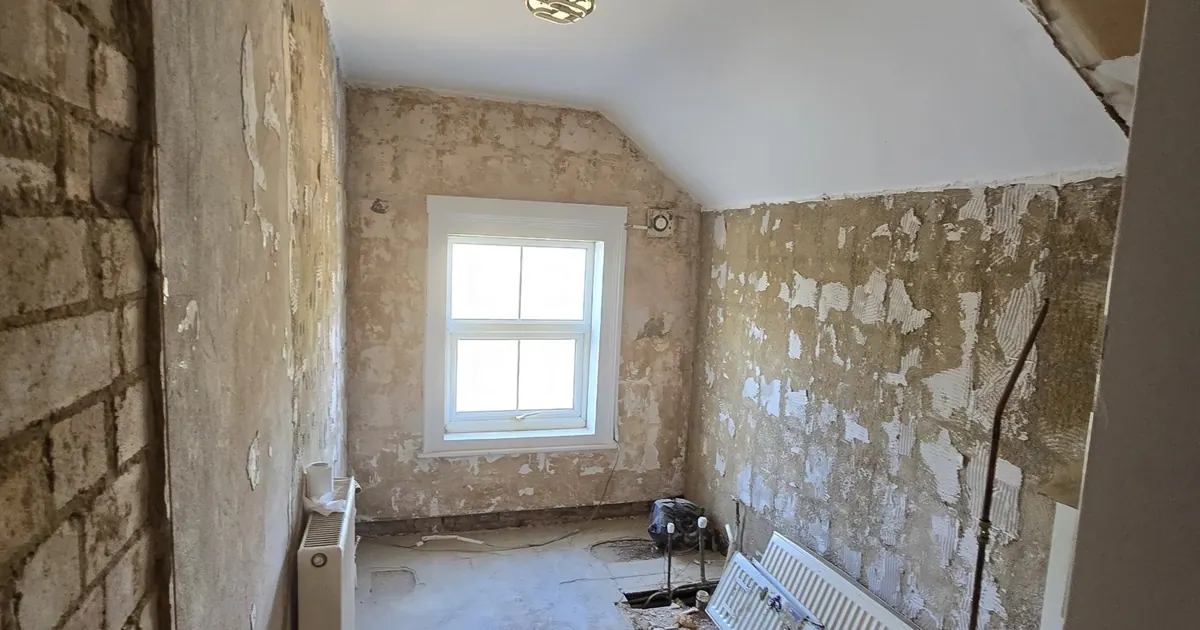
Then we did the inside: 1 room back to brick and replastered, the electrics, painting, the bathroom and new internal doors. The tenant was still living there, so we did it one room at a time while they were at work. It took longer and was more hassle to organise, but it got done. The whole lot, the fix included, came in on budget.
After the work
About 10 months after buying it, it valued at £185,000 and we refinanced at 75% of that, which is how almost all the money came back out. The rent has gone up from £750 to £850 a month now the house is in the state it should be.
How to find cash buyers only houses on Rightmove
If you want to find your own, start with Rightmove. It lets you add keywords to a search. These are the ones I use, starting with what cash buyers only means on Rightmove, and what each usually tells you:
| Keyword | What it usually means |
|---|---|
| "Cash buyers only" | The agent or vendor thinks a bank won't lend on it as it stands, or the vendor wants a quick, certain sale. Ask which. If it's the lending, ask what the surveyor or lender flagged |
| "Non-standard construction" | It isn't built the usual way, from brick or block with a tiled or slate roof. It could be concrete panels, a steel frame, timber frame, prefab, or something older like cob or thatch. Ask exactly what type it is and for any survey or repair certificate, because a broker needs the type before they can tell you who'll lend |
| "Short lease" | Usually fewer than 80 years left. Below 80, extending costs more because of marriage value, and lenders want the lease to run well past the end of the mortgage. Ask how many years are left and what the ground rent is, then get a valuer's figure for extending it |
| "Priced to reflect" | The agent is telling you something's wrong without saying what. Ask what, and ask for any survey |
| "Renovation project" | Anything from tired to falling down. Ask what's wrong, then go and look |
| "In need of modernisation" | Usually level 1. It's tired, nothing more |
Then I look at the photos and give each problem I can see a level, before I've even rung the agent. Once you've found one, the next question is how to pay for it.
How to buy an unmortgageable house without the cash
You don't need the cash yourself. You need someone who can pay without a mortgage until the problem is fixed. There are 3 ways:
- Your own money, if you have it.
- A bridging loan. That's a short-term loan for buying and doing up a house before a normal mortgage, and it costs more than a mortgage, so the extra goes into your numbers. You need a broker who does bridging for investors every week, because the lender wants to see how you'll pay it back.
- A JV partner's or a private investor's money. That's how I do it. If you haven't got the cash, I've written about how to find private investors for property.
Whichever you use, the plan is the same. Buy it, fix the problem, get the paperwork, then refinance onto a normal buy to let mortgage based on the new value. That's what pays the bridge or the investor back.
2 things can stop that. The first is the valuation, which is why the paperwork matters so much. The second is timing. Many lenders won't remortgage a house until you've owned it for 6 months, so talk to a broker before you buy, not after.
Can you get insurance on a house with historic subsidence or movement?
Once it's yours, it needs insuring. You can get cover, but tell the insurer about the problem and the repair. Landlord insurance is usually treated as a business policy, so the Insurance Act 2015 applies, and it says you must give the insurer a fair presentation of the risk before the policy starts. If you leave something out, they can refuse a claim or cut what they pay. If the house is empty while the work is done, you'll also need cover that allows for it being unoccupied.
When I walk away
I'm not saying buy every cash buyers only house. I walk away when:
- Nobody can put a price on the fix, or the price keeps growing.
- The engineer can't say whether it's still moving, and the vendor won't wait for monitoring.
- The cracks are wide and getting wider, the bricks themselves have split, or walls are leaning, so the fix is a rebuild rather than a repair.
- No insurer will quote, or no lender will lend even once it's fixed, so there's no way to get the money back out.
- It's a flat with cladding, and nobody can tell me who's paying to fix it or when.
- The discount isn't big enough to cover the fix, the time, the finance costs and a buffer.
If you want help with your next one
Most people scroll past these houses, because they don't know who to ring. You don't have to know what a crack means or what a lender needs. You have to know who to ring, what to send them, and how to turn the answer into an offer the vendor understands.
That's what I do with the people I mentor in the Property Accelerator. They bring me the house and the photos. We give each problem a level, work out who to ring, what the fix will cost and what to offer, and then they put the offer in, in writing, with the reason. If you've done your training and want help doing it on a real deal, the details are below.
If you'd rather check out anyone before you pay them, including me, I've written about how to find a property mentor you can trust.
The small print
This post is general education about buying houses that are marketed to cash buyers only, how I did it on one of my deals and how I understand the rules. It isn't legal, financial, tax, building, insurance or investment advice, and it isn't an offer or an invitation to invest in anything. I'm not authorised by the FCA, and neither is my company. Past results on one deal don't tell you what you'll get on yours.
Building regulations, building safety and leasehold law, tenancy rules, insurance law, money laundering checks, lender criteria and stamp duty are as they stood when I wrote this, in November 2026, and are for England. They change, and lenders and insurers each set their own criteria. Check the current position on GOV.UK and legislation.gov.uk before you rely on it. Always see qualified professionals before you buy or start work: a structural engineer and a builder for the house, a specialist mortgage broker for the lending, an insurance broker for the cover, a solicitor for the legal side, a tax adviser for tax and, where you need one, an FCA-authorised financial adviser.
Questions people ask
What does cash buyers only mean?
The vendor will only accept an offer from someone who doesn't need a mortgage to complete. That can be your own money, a bridging loan or a joint venture partner's money. It usually means a lender won't lend on the house as it stands, or the vendor wants a quick, certain sale.
Why are some houses cash buyers only?
Usually because a lender won't lend on them as they stand. Common reasons are structural movement, non-standard construction, Japanese knotweed, a short lease, no working kitchen or bathroom, a tenant already in it, cladding on a flat, flood risk with no insurance, or missing paperwork. Sometimes the vendor only wants a quick sale, at auction or in probate.
Can subsidence be fixed without underpinning?
Often, yes. Most subsidence is fixed by sorting out the cause, like a leaking drain or a tree, then repairing the cracks. Some ground can be made firmer by injecting resin under the foundation instead of digging out. A specialist decides which fix the house needs.
Does cash buyers only mean no mortgage?
It means no mortgage to buy it. Once the problem is fixed and the paperwork is in place, you can often refinance onto a normal buy to let mortgage, which is how investors get their money back out.
What makes a property unmortgageable?
Anything that puts it outside what mainstream lenders will accept: its construction, its condition, a defect like ongoing movement, knotweed close to the house, a short lease, no insurance, or missing paperwork. Each lender has its own rules, so a specialist broker can often find one that will lend once the problem is sorted.
Can you get a bridging loan on an unmortgageable property?
Often, yes. That's what bridging is mostly used for: buying a house a normal lender won't touch, fixing it, and refinancing. The bridging lender will want to see the fix, the cost and how you'll repay it, so use a broker who does this for investors.
Is cash buyers only a red flag?
Not always. Sometimes the vendor only wants a quick sale. When it's because a lender won't lend, a cash buyers only property can still be worth it, if the discount is bigger than the fix and you can refinance once it's done. Find out why it's cash only, get the right person to price the problem, and walk away if nobody can.
Is it safe to buy a cash buyers only house?
It can be, if you know why it's cash only before you offer. Ask the agent, get the right specialist to price the problem, use a solicitor, and have the money ready to complete. The risk isn't the label. It's buying without knowing what's wrong or what the fix costs.
Are auctions cash buyers only?
Not officially, but a traditional auction usually means exchanging on the day and completing within 28 days, which is too quick for most mortgages. That's why auction buyers often use cash or a bridging loan. The modern method of auction usually gives you longer, so check which type it is before you bid.
Why are flats cash buyers only?
Usually because of the lease, the building or the management. A short lease, cladding without an EWS1 form or a plan to fix it, or a block with no proper management in place can all stop lenders lending, which is why a mortgage on a flat with cladding can be hard to get. The cladding is usually the freeholder's to fix, not yours, so ask the agent what's been done, who's paying, and for the EWS1 form and the lease before you offer.
Can you buy a house with a tenant in it?
Yes. Buying a tenanted property means it pays you from day 1, but you can't improve it easily with someone living there, and you inherit the whole tenancy, including any legal or compliance gaps. Some lenders won't lend with a tenant in situ, which is why some of these are cash buyers only. Ask for the tenancy agreement, the deposit protection and the safety certificates before you offer.
Can you buy a cash buyers only house with a mortgage?
Only if the reason is speed and the vendor will accept a buyer with a mortgage offer ready. If it's cash only because a lender won't lend on it as it stands, you'll need cash, bridging or a partner's money to buy it, then a mortgage once it's fixed.
How do I find cash buyers only houses on Rightmove?
Use Rightmove's keyword filter with phrases like "cash buyers only", "non-standard construction", "short lease" and "priced to reflect". Then ask the agent why each one is cash only before you view.
Should I buy a house with structural movement?
If a structural engineer says it's historic or can say what the fix is, a builder can price it and the discount is bigger than the fix, it can be a good buy for an investor. If nobody can tell you whether it's still moving, I'd walk away.
Is historical movement the same as subsidence?
Not always. Historic movement means the house moved at some point and has stopped. It could have been subsidence that was fixed, or settlement when the house was new. What lenders and insurers care about most is whether it's still moving.
Should I buy a house with subsidence?
Not if it's still moving and nobody knows why. If it's historic, or an engineer can say what the fix is and it's been priced, it can be worth it, especially at a discount. Get the engineer's view before you offer.
Are cracks in brickwork serious?
Most aren't. Cracks under about 5mm are usually a matter of looks. Wide cracks, cracks that are getting wider, cracks that split the bricks, or cracks with doors and windows sticking need a structural engineer.
Can you get a mortgage on a house that has been underpinned?
Yes, with many lenders, if the paperwork shows the work was signed off and the movement has stopped. Some want a structural engineer's report, and a few won't lend on a house underpinned in the last few years. I've refinanced a house at 75% of its new value after its foundations were stabilised, with a certificate and a 10-year guarantee to show the lender.
What does cash buyers only due to a short lease mean?
The lease has too few years left for most lenders. Once it's under 80 years, extending it costs more, because you also pay the freeholder half the marriage value, the extra value the longer lease adds. Get the extension cost from a specialist valuer and take it off your offer.
What does cash buyers only due to non-standard construction mean?
The house isn't built from brick or block, so many lenders won't lend on it as it stands. It could be concrete panels, a steel frame, timber frame, prefab, cob or thatch, and each lender treats each type differently. Ask the agent exactly what type it is and for any survey or repair certificate, then give that to a broker who arranges non-standard construction mortgages.